DRONES & FIELD ROBOTS
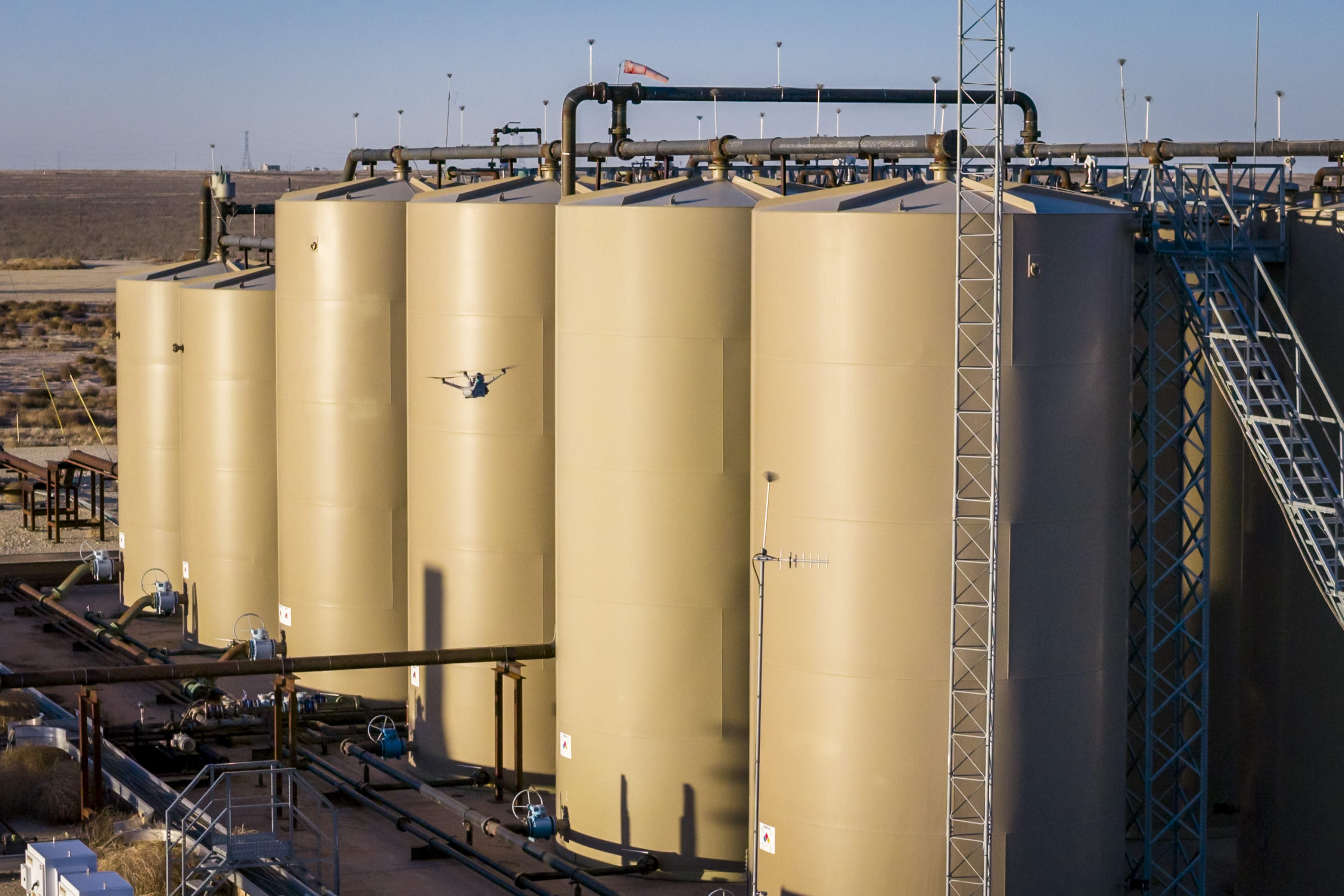
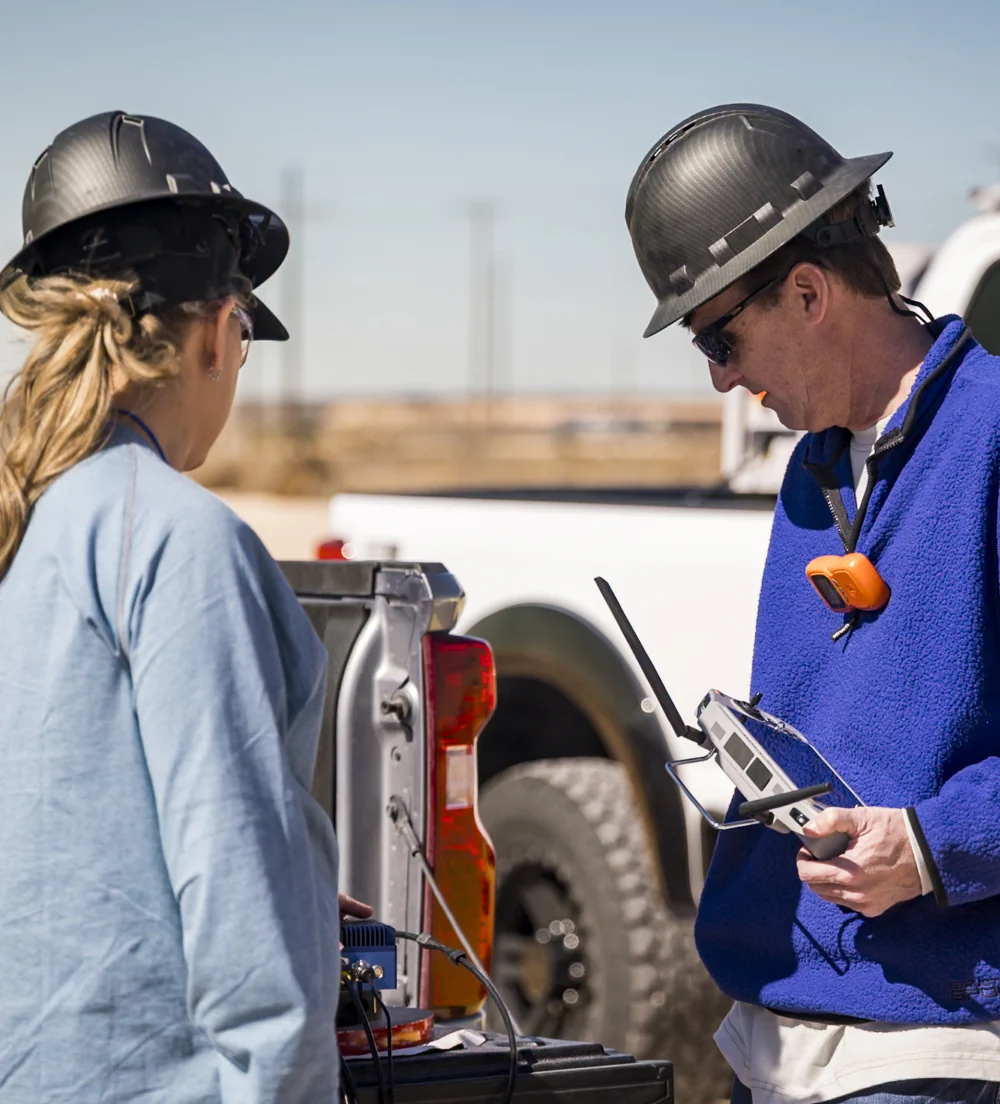
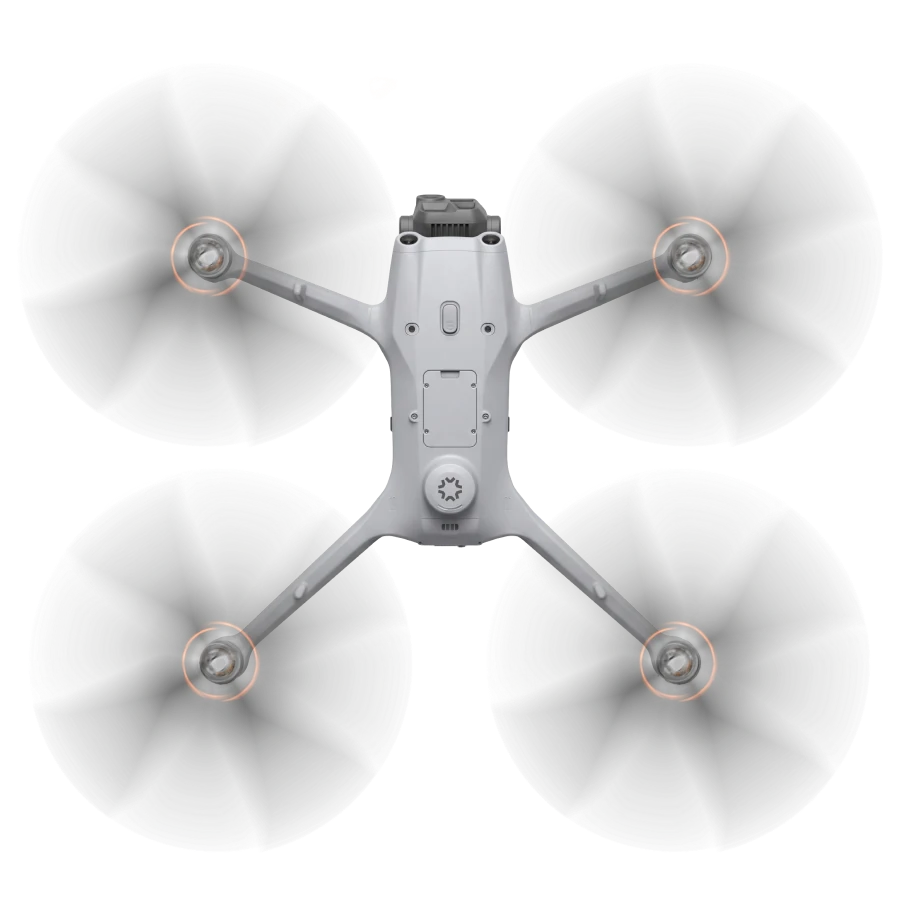
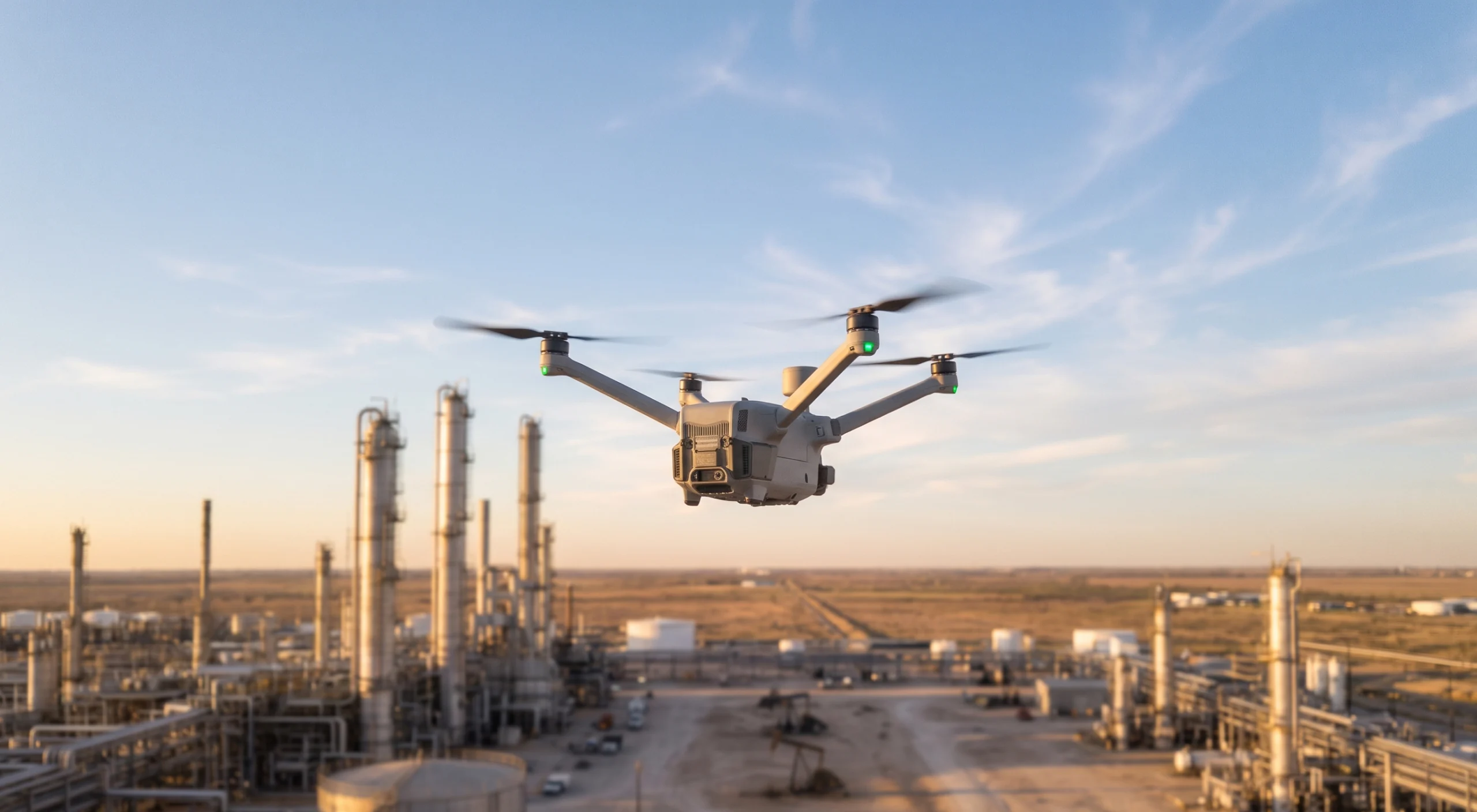
AI-powered drones and robots inspect critical infrastructure in hard-to-reach or hazardous environments, reducing the need for manual inspections.
Real detections from live deployments.
See it in action
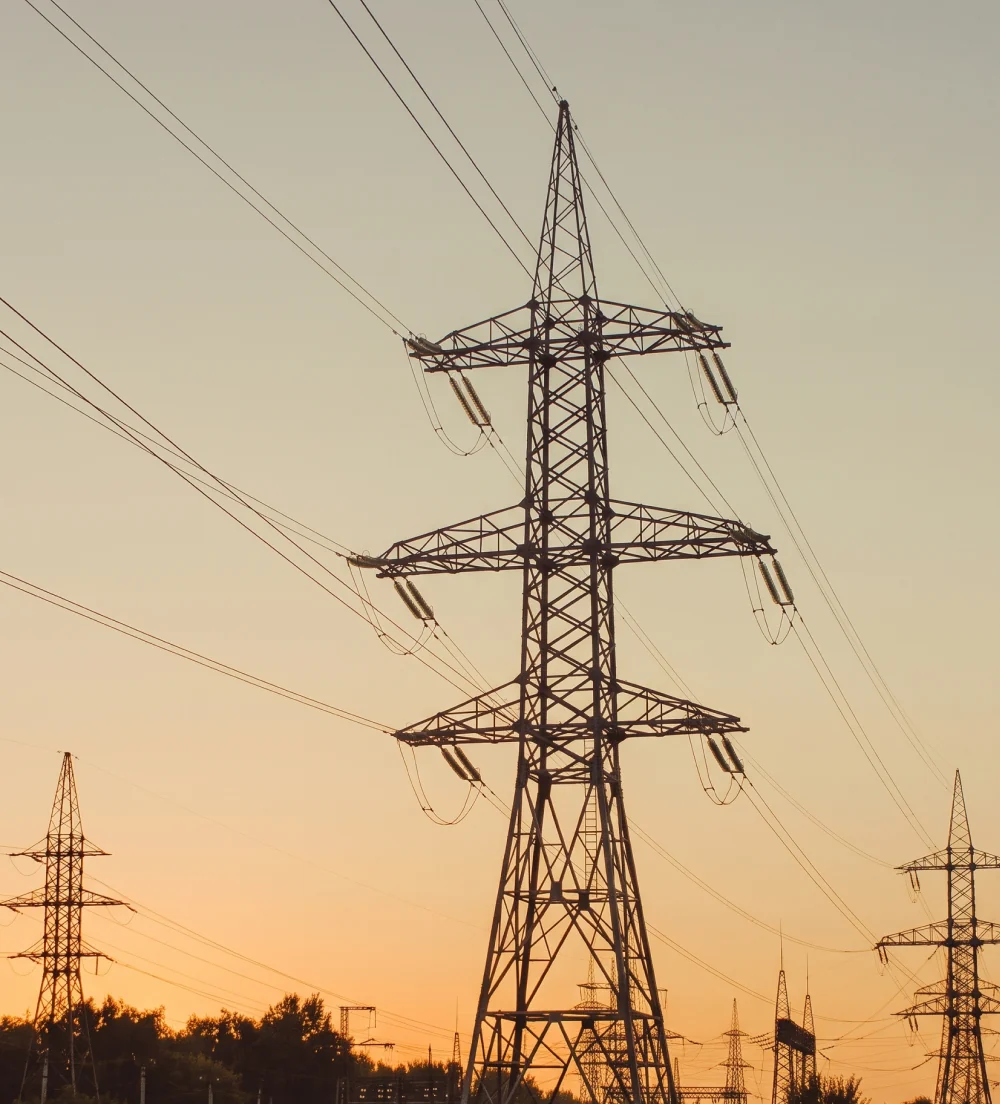
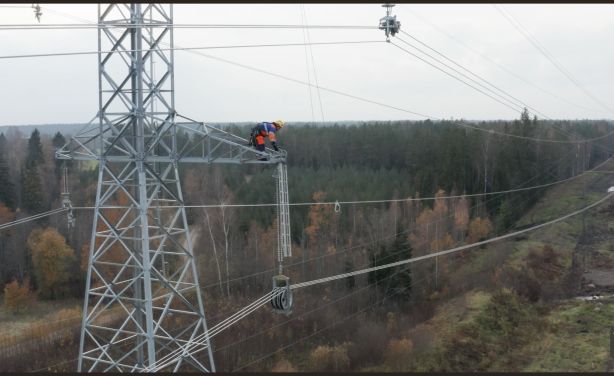
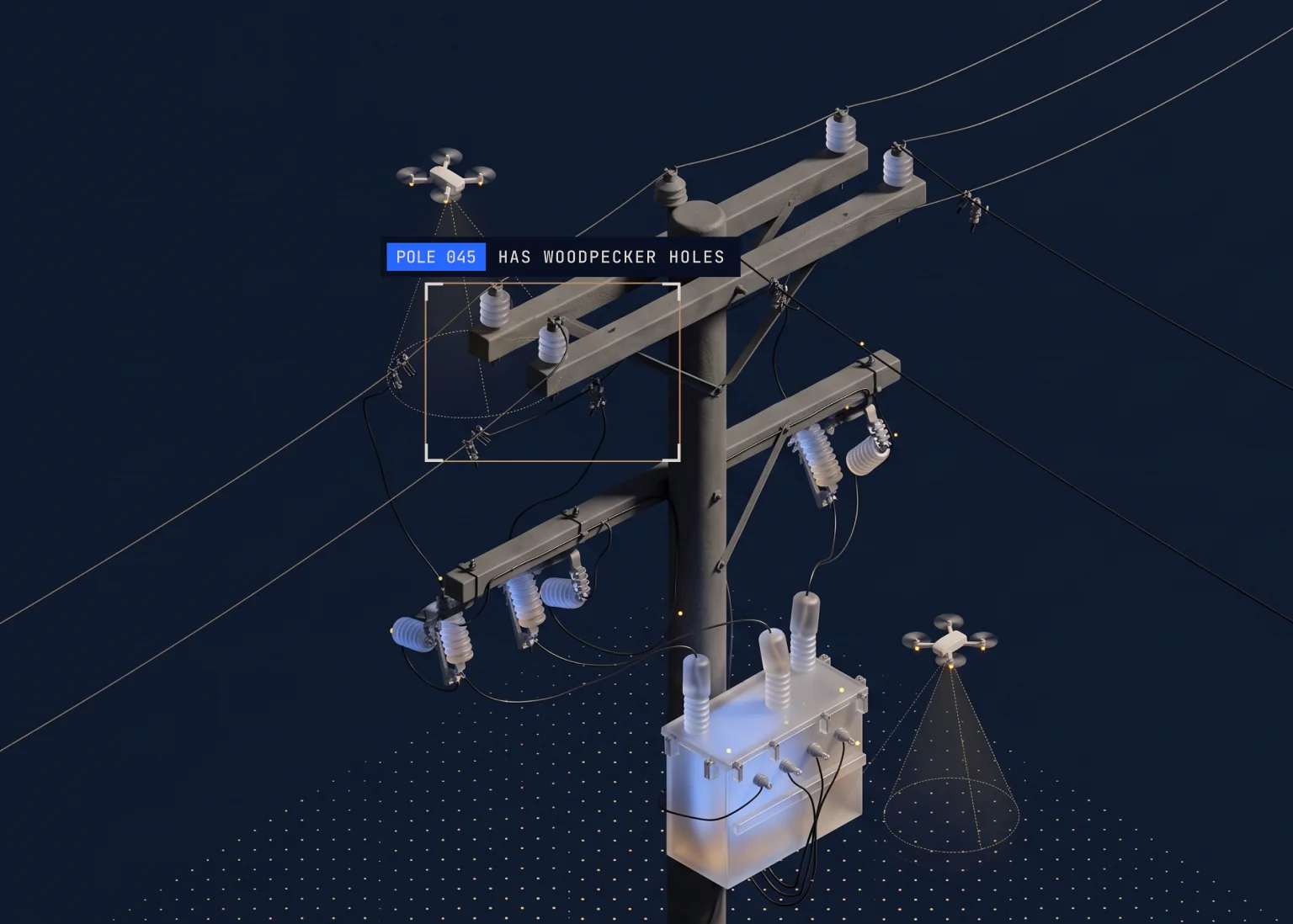
AI-powered imagery helps identify visible defects and potential risks across poles, insulators, connectors, and other grid components.
See it in action
Thermal imaging helps identify unusual temperature patterns that may indicate equipment issues requiring further investigation.
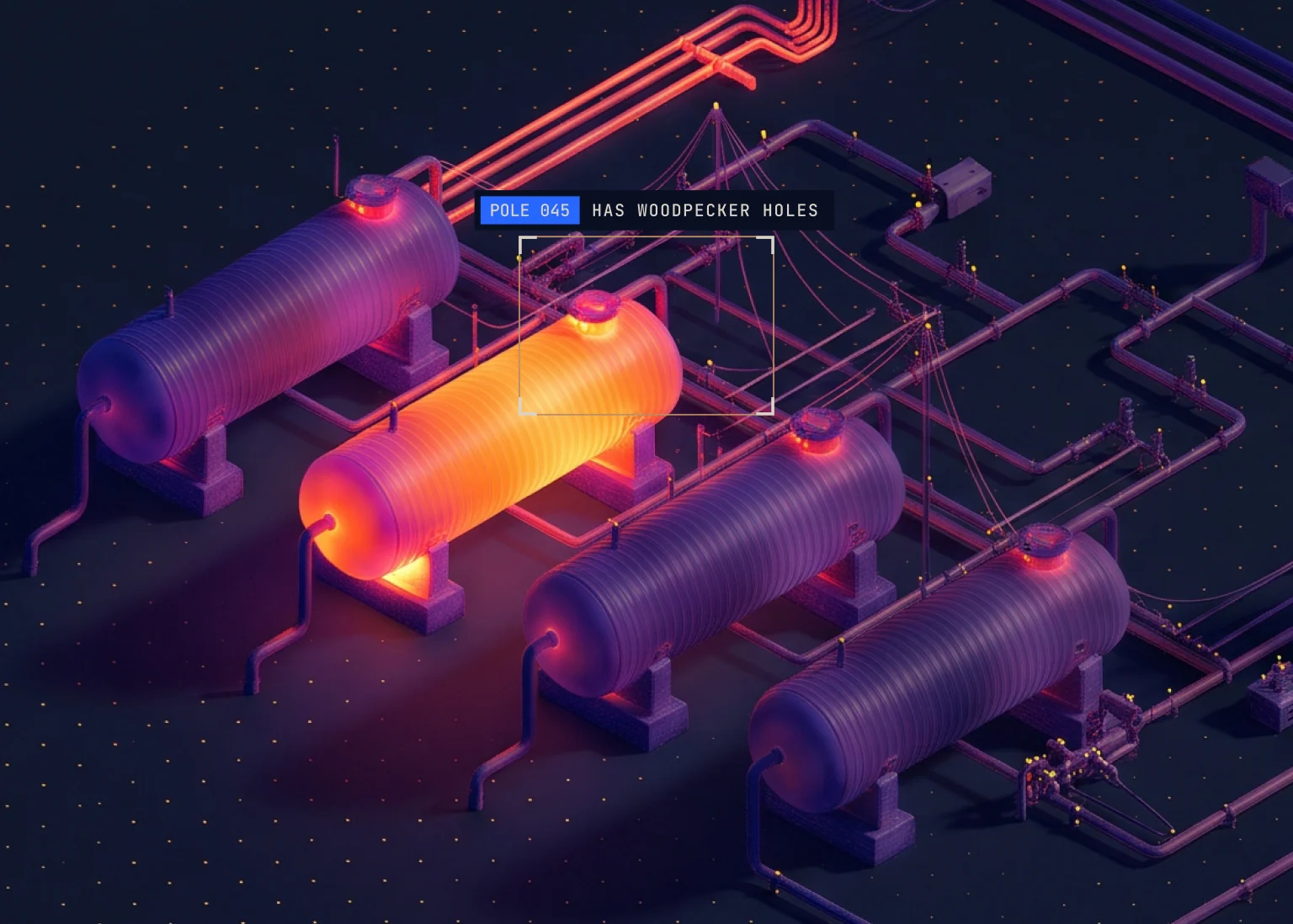
See it in action
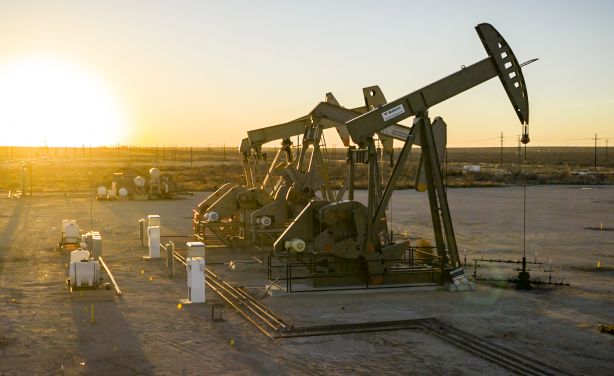
Visual analysis helps assess equipment conditions, identify potential component defects, and support more informed inspection decisions.
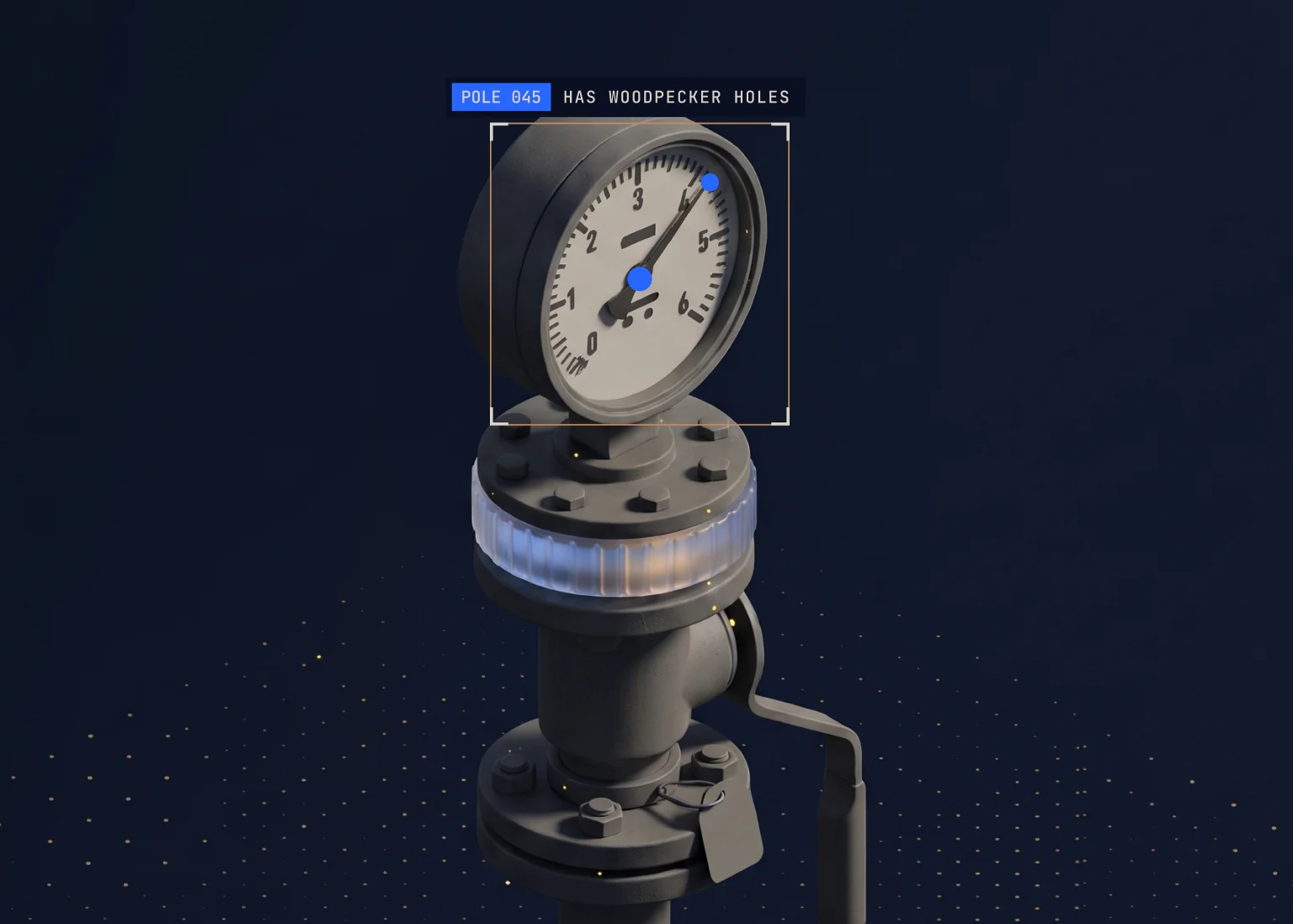
See it in action
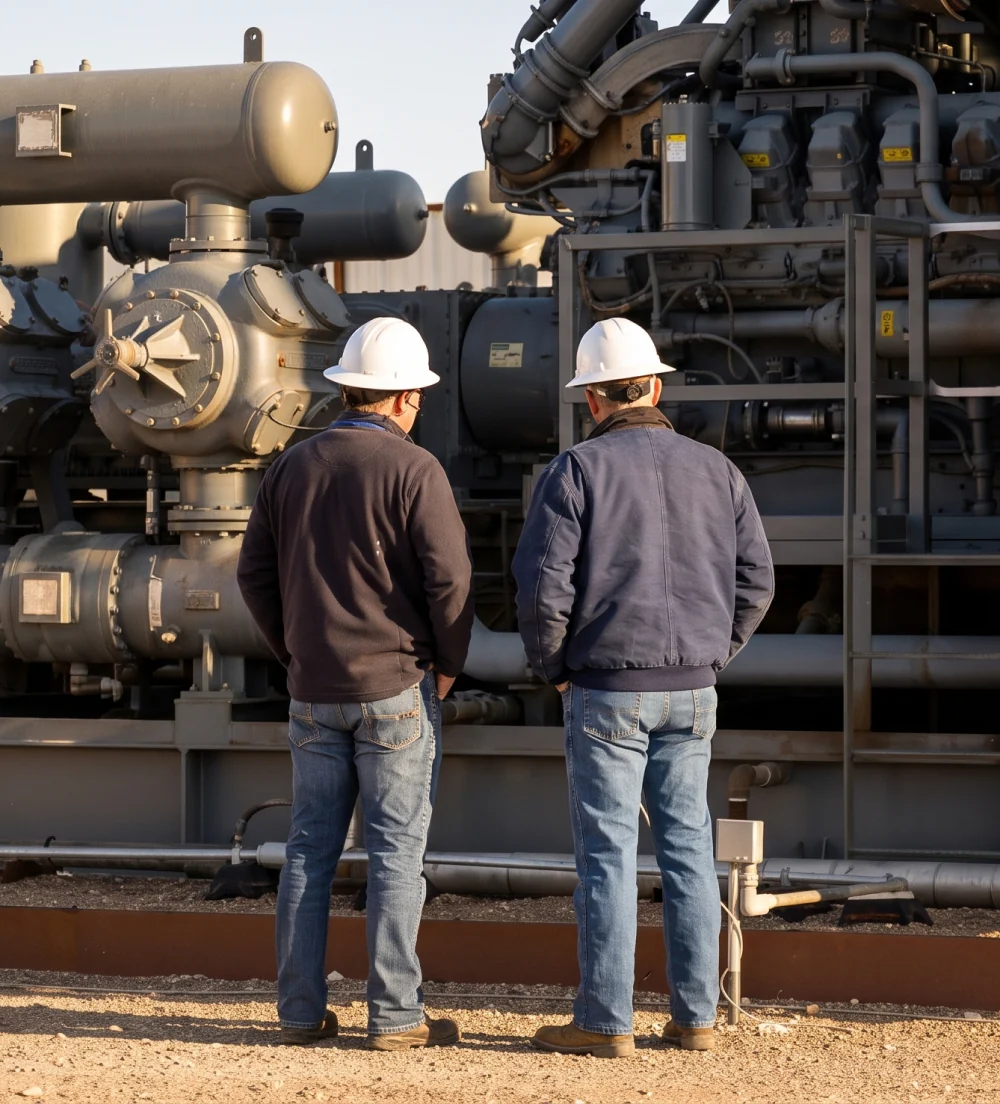
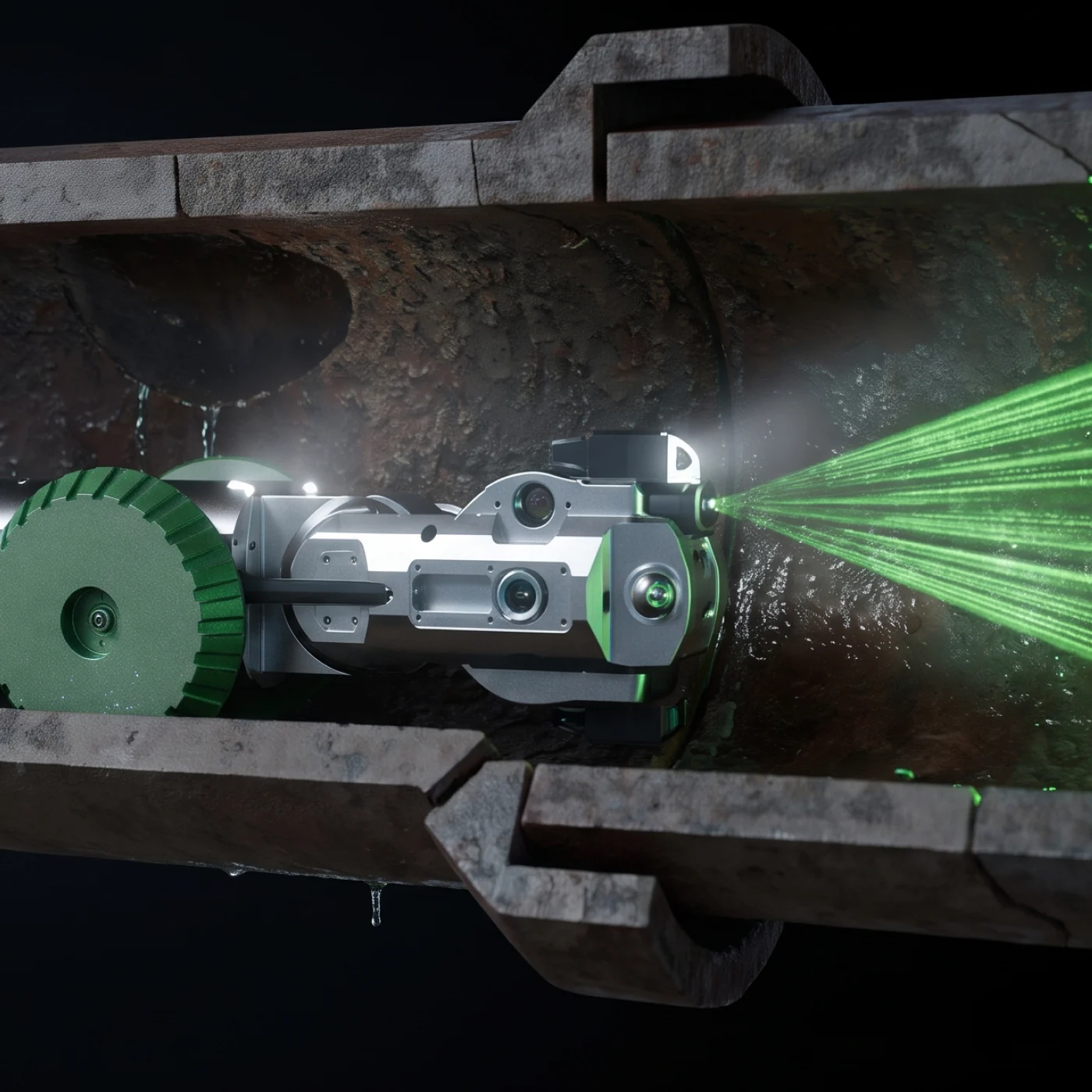
Robotic inspections capture detailed pipeline imagery and condition data to help operators identify defects, document findings, and build digital representations of infrastructure.
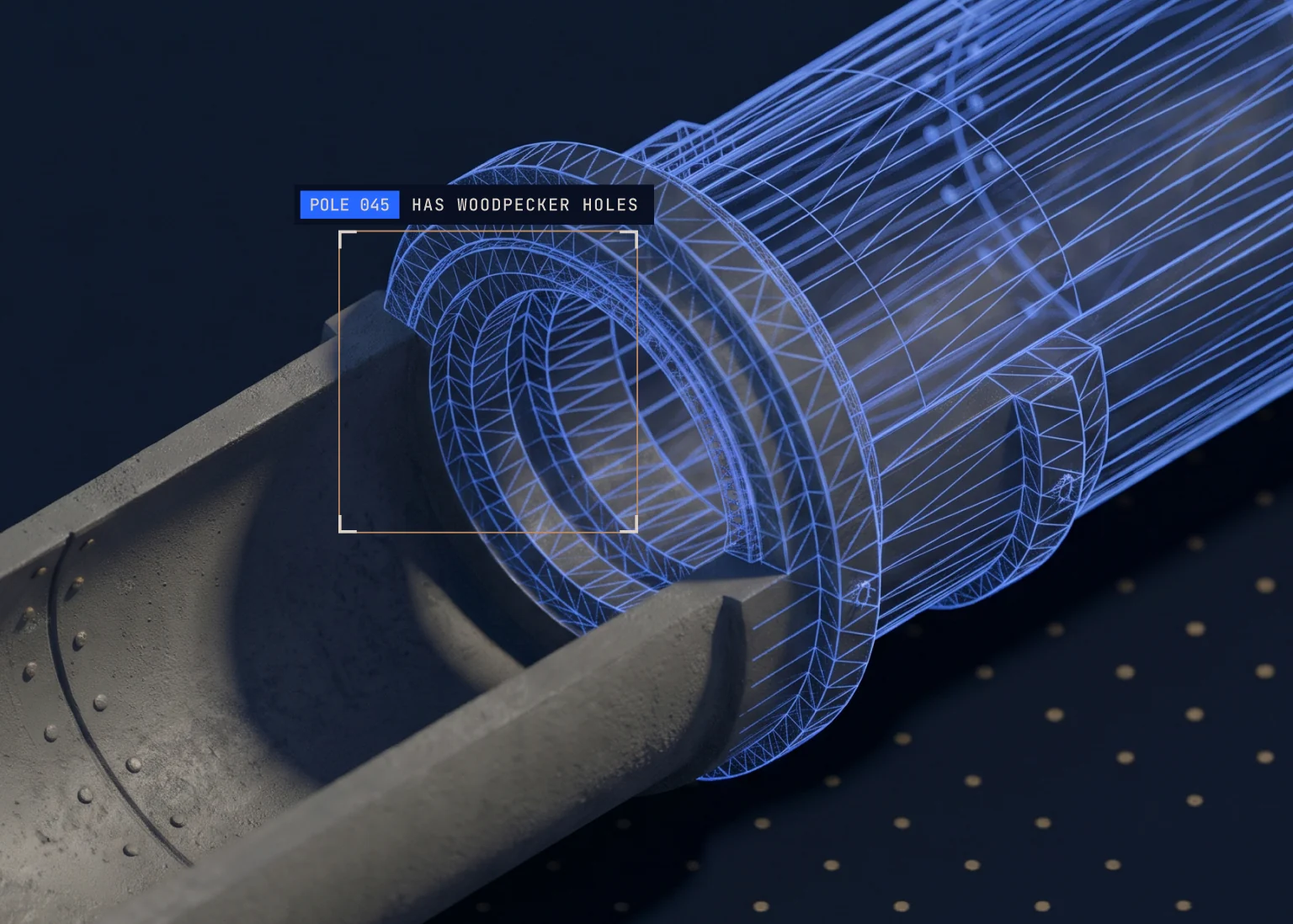
BENEFITS
BrightAI brings AI-powered intelligence to drones and robotic inspection systems, helping operators assess critical infrastructure across challenging environments.
Integrates with the drones and robots you run today, and the ones you add tomorrow. No replacement required.
The same foundation model runs on every drone, crawler and pipeline robot, so every machine sees with the same intelligence.
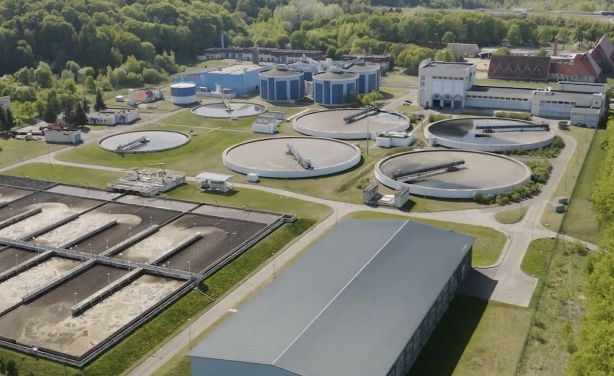
Pipelines, power lines, elevated structures and hazardous zones get inspected without sending people in.

Each mission adds data that sharpens the whole system, so every inspection improves the next.
Explore the potential operational impact of AI-powered inspections across critical infrastructure.
Manual inspections

Emissions risk
Detection accuracy

Operational range
Hardware
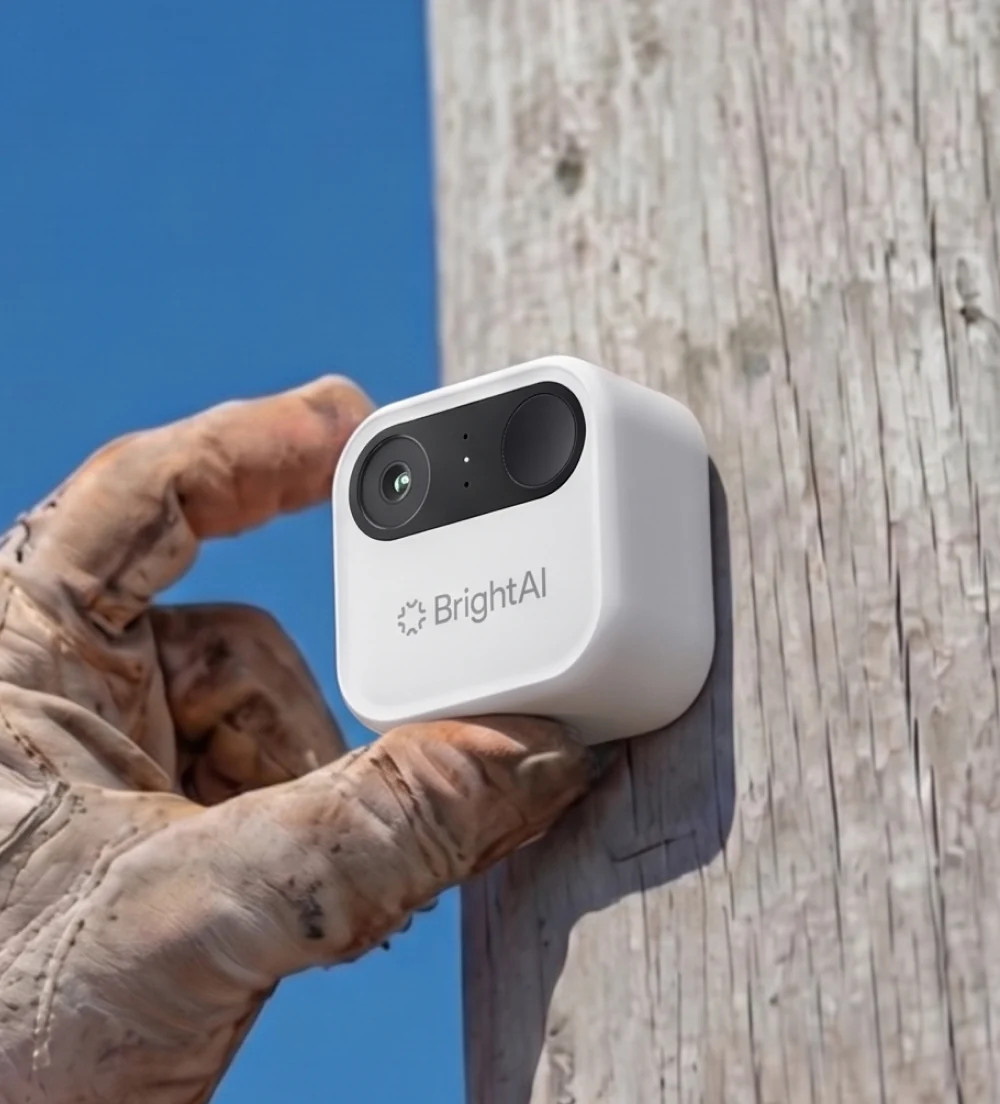
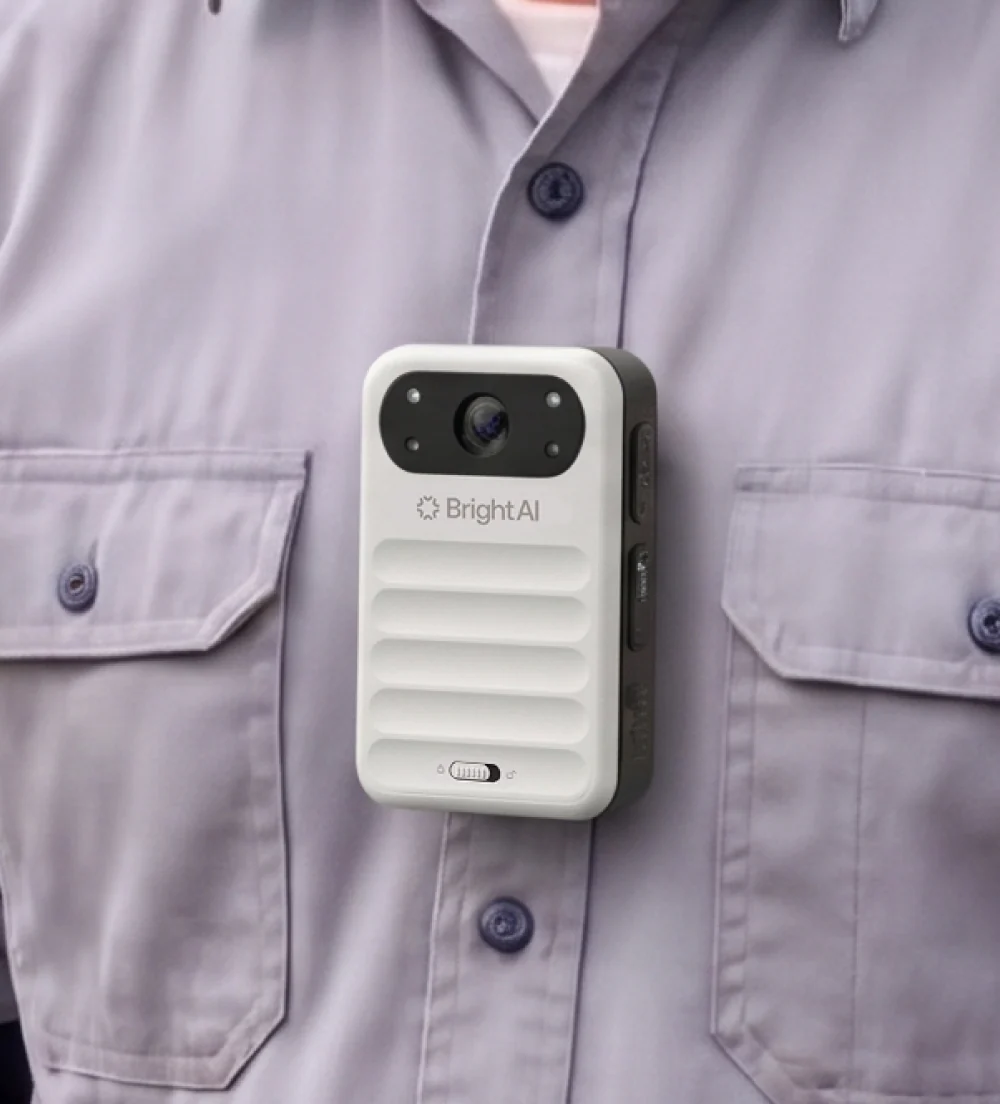
AI-powered inspections with compatible drones and robotic systems.
Large-area coverage
Cover large areas of critical infrastructure.
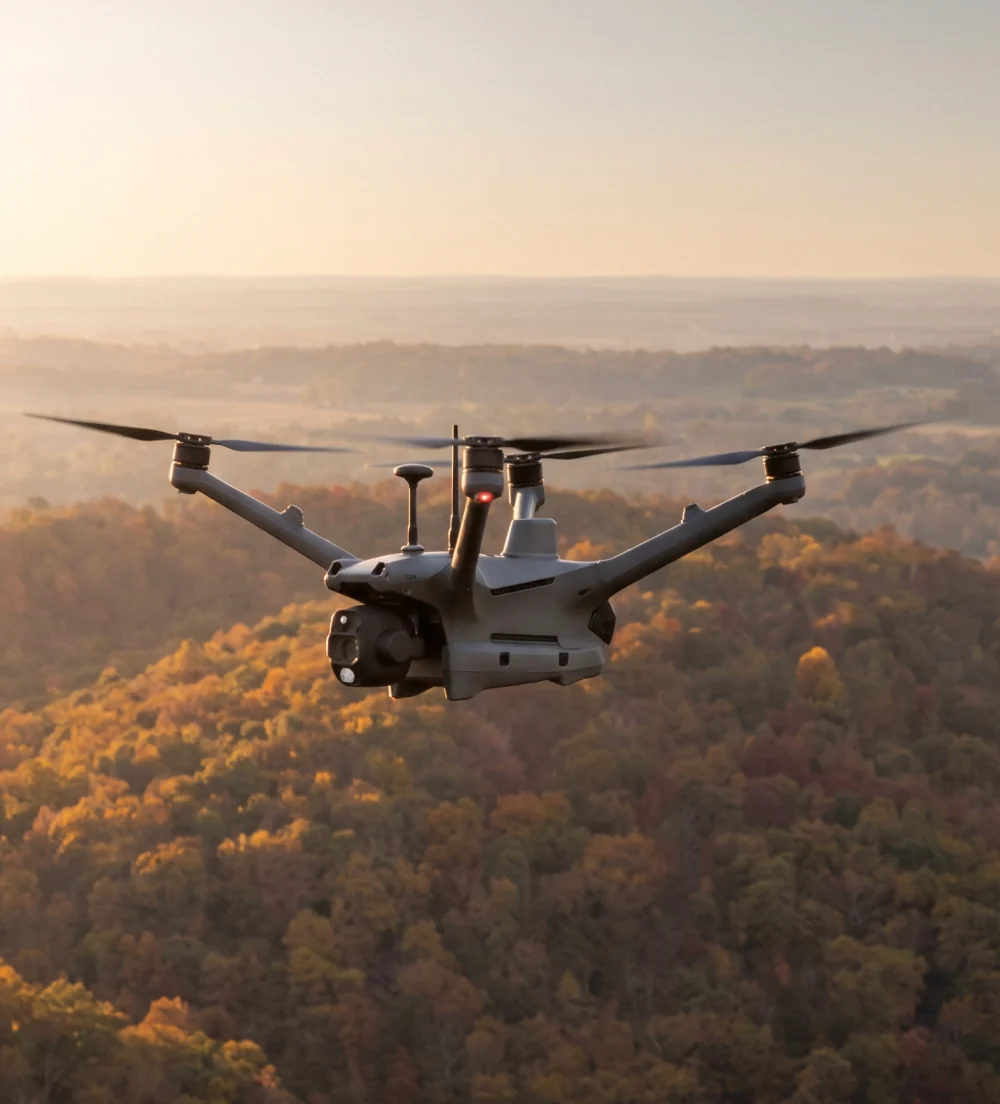
Close-range inspection
Inspect assets up close, even in hard-to-reach locations.
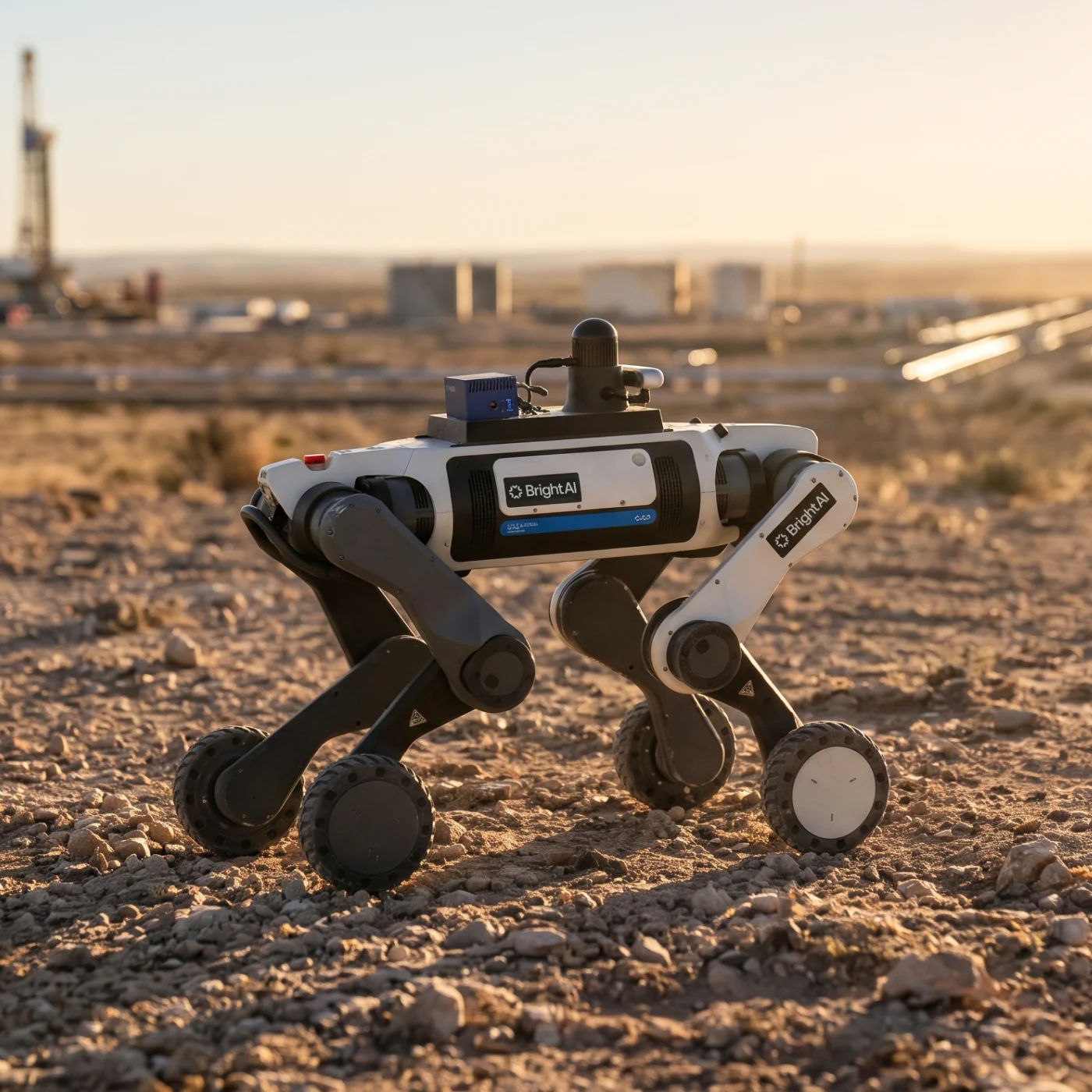
In-pipe robotics
Capture detailed pipeline condition data.
The industries
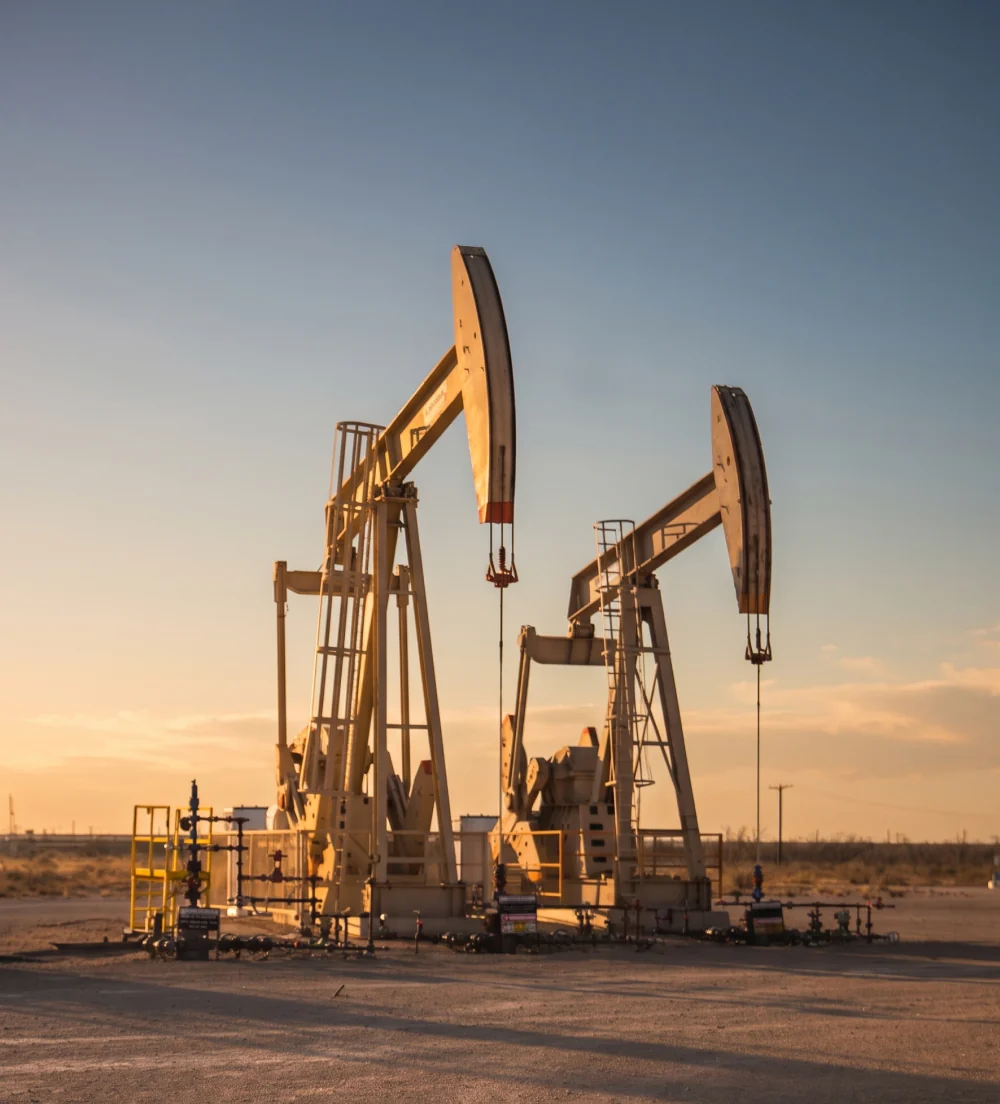
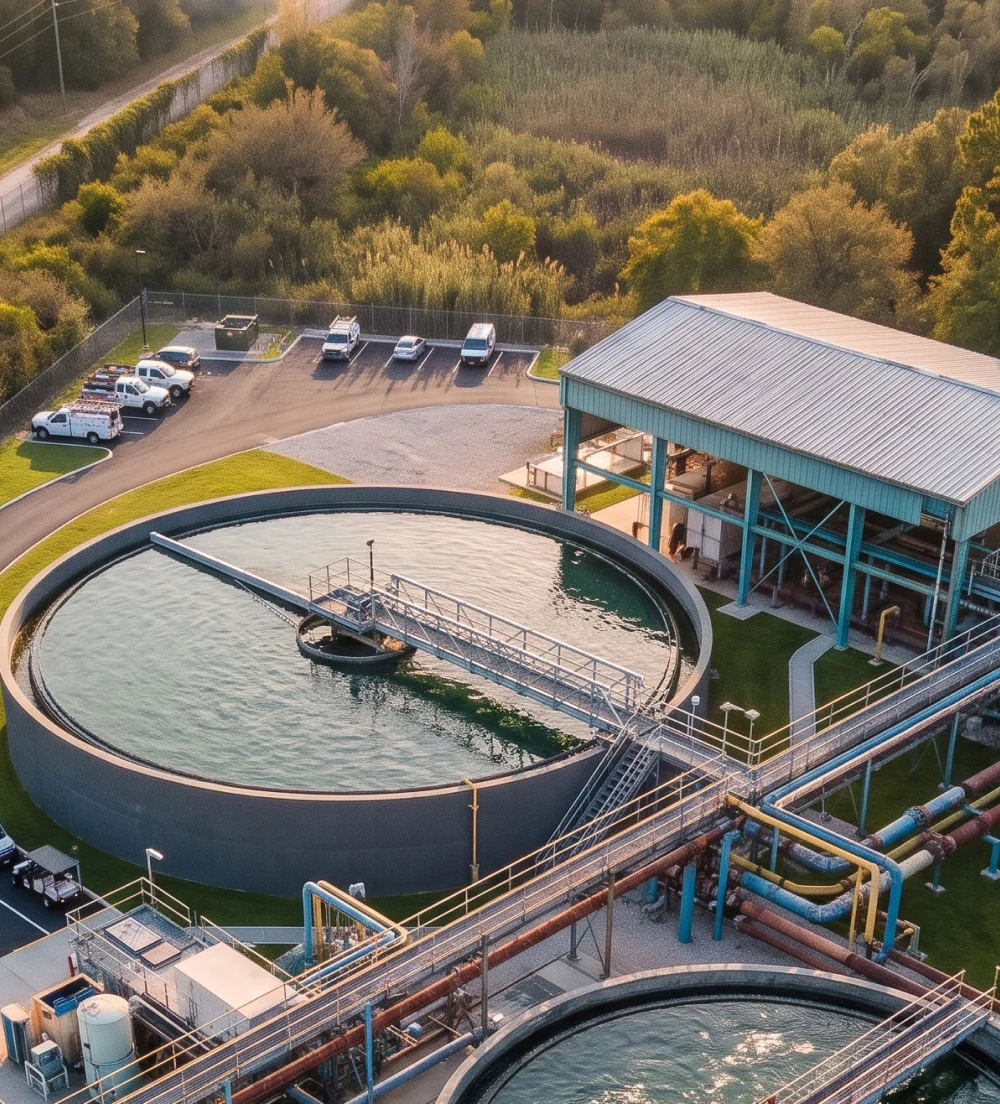
Explore how AI-powered inspections help operators assess critical infrastructure across essential industries.
FAQ
What is Autonomous Inspection?
BrightAI’s Autonomous Inspection combines drones, intelligent robotics, and Physical AI to transform how critical infrastructure is inspected. By automating data capture and using AI to identify defects, assess asset conditions, and detect emerging risks, it enables faster, more consistent inspections while reducing reliance on manual processes.
What types of infrastructure can BrightAI inspect?
BrightAI supports autonomous inspection across Power & Utilities, Oil & Gas, and Water & Wastewater infrastructure. From utility poles and power generation facilities to industrial equipment and water systems, our AI-powered inspection solutions help identify defects, assess asset health, and improve operational visibility. Specific capabilities depend on the asset and inspection configuration.
Can BrightAI work with our existing drones or robots?
Yes. BrightAI’s Autonomous Inspection solution can integrate with compatible drone and robotic platforms. By connecting inspection data to Stateful, organizations can leverage existing equipment while adding AI-powered defect detection, asset intelligence, and actionable insights. Compatibility depends on the platform, sensors, and integration requirements.
How does Autonomous Inspection improve safety?
Autonomous Inspection helps reduce the need for personnel to enter hazardous, elevated, or difficult-to-access environments. By using drones and robotics to capture detailed asset conditions remotely, organizations can reduce exposure to operational risks while enabling safer, more informed maintenance decisions.
What happens to the data collected during an inspection?
Inspection data flows into Stateful, BrightAI’s Physical AI platform, where computer vision and AI models analyze imagery and sensor data to identify defects, assess asset conditions, and generate actionable intelligence. Stateful can also connect inspection findings to engineering documentation, including Process Flow Diagrams (PFDs) and Piping and Instrumentation Diagrams (P&IDs), helping teams understand issues in the context of their physical systems and prioritize maintenance actions.